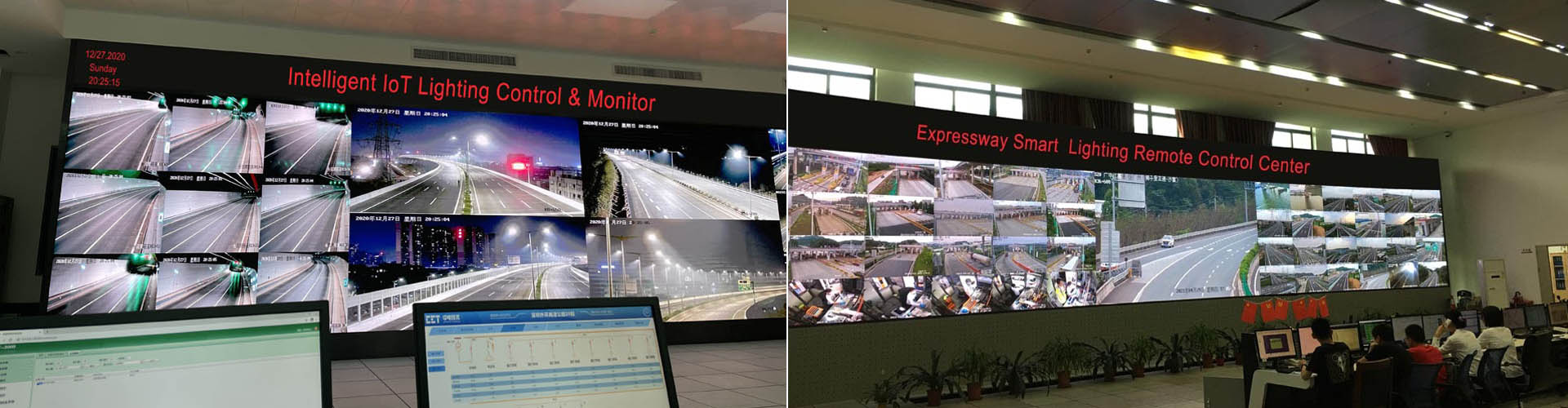
White tunnel effect is the opposite side of the same safety problem. At the tunnel exit, a driver can face sudden brightness, glare and poor visual adaptation if transition lighting is not coordinated.
This page focuses on the exit side of tunnel lighting: how the lighting system should manage the final interior zones, exit transition, outside ambient change, abnormal weather and operator records so that drivers do not leave a controlled environment into a visual shock.
Project evidence video: review this project evidence as a reference for zone-based tunnel lighting, transition control and owner-visible records. Exit-side glare and white tunnel behavior should still be validated with site-specific measurements. Open the Video and PDF Download Hub.
This article follows the STSYSTEMPLC blog rhythm: the first 1-3 seconds should explain why the risk matters, the first 1-3 minutes should show the complete decision framework, and the full 10-20 minute reading should give the owner enough evidence to challenge a proposal, review a tender or prepare FAT/SAT.
For white tunnel effect, the owner should not only review exit luminance. The real issue is whether drivers can move from the interior zone to the outside environment without glare shock, visual discomfort or a sudden loss of useful contrast. Exit-side safety depends on transition lighting, weather scene logic, glare review and operator evidence.
The practical answer is a controlled exit chain: final interior zone settings, transition-zone dimming curve, outside condition input, approved CCT or weather scenes where applicable, CH-800 Gateway records, alarm traceability and signed SAT measurement.
Black and white tunnel safety should be reviewed through field-proven infrastructure logic, not only through luminaire wattage or platform screenshots. STSYSTEMPLC tunnel and roadway control experience provides an engineering reference for sensor input, zone grouping, gateway records, local fallback and owner-held acceptance evidence.
| Risk Item | Typical Cause | Control Method | Acceptance Evidence |
|---|---|---|---|
| Sudden outside brightness | Driver leaves a darker interior and faces intense daylight at the exit. | Use transition-zone control and verified exit-side luminance strategy. | Scene table, measurement record and exit-zone SAT photos. |
| Glare at the portal | Low sun angle, wet pavement or bright wall surfaces can create discomfort. | Review optics, aiming, surface reflectance and final-zone levels. | Glare review notes and site measurement. |
| Weather exposure | Rain, fog, snow or sea vapor can change contrast and visibility at the exit. | Use approved weather scenes and, where specified, 2700K warm-light safety scenes. | Weather input log, scene command and measured output. |
| Night-to-day transition | Different time periods create different exit adaptation requirements. | Use schedule plus daylight input rather than one fixed scene. | Time scene record and daylight-trigger comparison. |
| Emergency operation | Exit guidance may need stronger visual support during abnormal events. | Define priority scenes and manual override authority. | Emergency scene test and operator action log. |
The driver approaches a darker opening from a brighter environment. The system prepares the threshold zone.
The driver leaves a controlled interior and faces changing daylight, glare, weather and exterior contrast.
The owner should test both directions and not assume one portal strategy proves the other.
White tunnel effect needs a separate review because the exit condition can be dominated by outside brightness, road alignment, surrounding terrain, sea vapor, fog, snow or wet pavement. The same dimming table may not be suitable for both portals.
| Condition | Visibility Challenge | Recommended Review | Owner Evidence |
|---|---|---|---|
| Mountain fog | Backscatter and low contrast near portal areas. | Review warm-light scene around 2700K where specified and compare with normal white-light scene. | CCT scene file, sensor input and field observation. |
| Cold-region snow | High reflection, glare and poor contrast can occur at exit roads. | Define snow scene, brightness limits and recovery logic. | Weather scene command and site acceptance record. |
| Coastal vapor | Moisture can reduce visibility and change pavement reflection. | Test weather-triggered scene and operator override. | Alarm / event log and manual action record. |
| Desert dust | Low visibility and airborne particles can reduce useful contrast. | Review warm-light scene, dimming level and maintenance visibility. | Scene record and maintenance feedback. |
| Normal dry weather | High daylight contrast still exists even without harsh weather. | Keep daylight-based transition control active. | Routine scene history and energy record. |
At complex exits, a lighting system can be combined with approved red, yellow, green and blue status indication, recorded or live voice broadcast and video display where the owner requires stronger operational guidance. These devices should not replace tunnel lighting; they should support visual management during abnormal conditions.
Normal exit status or permitted movement according to owner rules.
Caution, low visibility, maintenance work or reduced-speed reminder.
Stop, closure, emergency or operator-defined prohibited access.
Special service, rescue guidance or owner-defined information scene.
The color dictionary, voice message, display content and operator authority should be approved before commissioning and tested during SAT.
| Test Item | Factory Acceptance | Site Acceptance | Owner-Held Record |
|---|---|---|---|
| Exit scene | Verify exit and transition scenes in the configuration. | Measure selected exit scenes under representative conditions. | Scene table and measurement report. |
| Glare review | Check luminaire aiming, optics and limits. | Review field glare risk and visual comfort at the exit. | Glare checklist and corrective record. |
| Weather scene | Confirm sensor or operator-triggered weather rules. | Test fog / rain / snow / dust scene where applicable. | Weather scene record and recovery logic. |
| Broadcast and indicators | Approve color, voice and video content dictionary. | Test each status and linkage with lighting scenes. | Message library and event log. |
| Fallback | Load local exit safety scene and priority rules. | Interrupt external communication and confirm safe behavior. | Offline operation and restoration record. |
It includes glare, but it is broader: exit adaptation, surrounding brightness, weather, road alignment and transition lighting all matter.
No. It should be used where the project weather scene, visibility target and owner acceptance support it.
No. They provide operational guidance only. The tunnel lighting scenes still carry the visibility and safety responsibility.
The visual problem and environmental conditions are different. A serious SAT should verify both sides separately.
For White Tunnel Effect Lighting Control for Tunnel Exit Safety, the supplier should not ask the owner to believe a statement. The supplier should provide records that survive after handover: scene files, gateway zone maps, local fallback tests, alarm logs, energy records, maintenance closure and configuration backups.
| Review Block | What the Reader Checks Quickly | Why It Matters | What a Strong Proposal Shows |
|---|---|---|---|
| Safety phenomenon | Which visual adaptation problem is being solved and at which tunnel zone. | Prevents the page from becoming generic smart lighting text. | A clear entrance, exit or adaptive-control boundary. |
| Sensor input | Which physical condition changes the lighting scene. | A sensor list alone does not prove useful control. | Outdoor luminance, weather, vehicle detection and input priority. |
| Zone response | Which luminaires or circuits change when the input is valid. | Black and white tunnel safety is spatial, not only digital. | Portal, threshold, transition, interior and exit zone map. |
| Gateway evidence | How CH-800 Gateway or local controller records the event and command. | Owner needs records after handover and during maintenance. | Timestamped input, command, feedback and alarm data. |
| Failure mode | What happens when internet, server, PLC, LoRA, sensor or gateway path is interrupted. | Safety must not rely only on a remote screen. | Local fallback, manual authority and recovery record. |
| Acceptance proof | How the claim is verified before final acceptance. | Tender language should become measured evidence. | FAT script, SAT script, measurement record and signed exception list. |
The full article is designed for a second pass by consultants, EPC engineers, owner representatives and maintenance managers. They should be able to follow the risk from visual phenomenon to field input, then to the gateway rule, then to the luminaire response, then to the evidence file.
International tunnel lighting brands often present projects through luminaires, control systems, lifecycle cost, visibility and case stories. STSYSTEMPLC should keep the tone objective: the comparison is not an attack on brands; it shows which evidence items the owner should request regardless of supplier.
| Comparison Point | Common International Review Focus | Owner Risk if Missing | STSYSTEMPLC Evidence Angle |
|---|---|---|---|
| Luminaire performance | Efficiency, optics, glare control and service life. | The system may look strong on hardware but weak in operating records. | Connect luminaire scenes with gateway records and FAT/SAT files. |
| Control platform | Dashboard, schedules, alarms and remote operation. | Screenshots may not prove field autonomy or handover traceability. | Show CH-800 zones, local fallback, alarm history and configuration backup. |
| Tunnel adaptation | Entrance and exit visibility, transition zones and weather behavior. | Black / white tunnel risk may remain as a narrative instead of a tested scene. | Use sensor input, dimming curve, weather scene and SAT measurement. |
| Lifecycle operation | Maintenance, failure response and upgrade path. | Owner may lose control after contractor exit or staff change. | Deliver owner-held files, restore procedures and maintenance closure records. |
| Project evidence | Reference projects and engineering cases. | Case names without scope can be hard to audit. | State what the reference proves and what still requires site SAT. |
The existing Tunnel Lighting System category already covers broad IoT tunnel lighting, 485 solution, loop dimming and general sensor linkage. This child article should stay in its own lane: safety phenomenon, procurement review, evidence chain and FAT/SAT acceptance. The old category becomes the architecture support link; this page becomes the decision and verification layer.
| Old Category Role | New Child Article Role | How to Link Them |
|---|---|---|
| Explains solution families and historic product logic. | Explains one safety problem and how the owner verifies it. | Use the old category as a supporting system page. |
| Talks about IoT, sensors, 485, loop dimming and tunnel control. | Talks about visual adaptation, zone response, fallback and evidence. | Avoid repeating broad product descriptions. |
| Useful for visitors who want a product overview. | Useful for consultants and owners comparing acceptance quality. | Cross-link with a short objective sentence. |
A serious tunnel-lighting proposal needs site inputs before it can promise a scene. If these inputs are missing, the supplier should mark the value as a design assumption rather than present it as verified performance.
| Input Group | What to Collect | Why It Changes the Design | How to Record It |
|---|---|---|---|
| Tunnel geometry | Length, portal orientation, carriageway width, lane count, curve radius, gradient and wall reflectance. | Determines threshold length, transition curve, luminaire aiming and exit adaptation. | Design input sheet, drawing reference and assumption register. |
| Traffic conditions | Design speed, heavy-vehicle ratio, peak flow, night flow and maintenance access pattern. | Changes response timing, occupied scene duration and safety margin. | Owner traffic basis and SAT test speed. |
| Existing electrical system | Feeder layout, cabinet positions, circuit boundaries, grounding condition and spare capacity. | Affects PLC route, loop dimming, cabinet logic and local fallback boundary. | Electrical drawing, cabinet survey and circuit map. |
| Communication environment | Fiber, Ethernet, cellular, PLC, LoRA, closed network requirement and cybersecurity boundary. | Determines whether commands and records stay local, cloud-connected or owner-hosted. | Communication topology and authority matrix. |
| Sensor positions | Outdoor luminance sensor, weather sensor, vehicle detector, radar-video unit and manual input location. | Sensor placement determines whether a scene starts early enough to reduce visual risk. | Sensor layout, mounting height, direction and test method. |
| Acceptance standard | Required measurement method, instrument, scene name, pass value, test traffic and exception process. | Turns the article claim into a project acceptance record. | FAT/SAT script, signature page and exception log. |
The most useful acceptance test is often a controlled failure. A project that only works in normal operation may still fail the owner in maintenance, storm, communication interruption or staff handover. Each failure should have a visible field response and a recordable evidence trail.
| Injected Condition | Expected Field Behavior | Expected Record | Acceptance Concern |
|---|---|---|---|
| Outdoor luminance sensor unavailable | System follows the approved local fallback scene or manual authority. | Sensor fault alarm, scene status and operator action. | No unsafe sudden dimming at entrance or exit. |
| Weather sensor unavailable | Weather scene does not trigger automatically; approved default or manual scene remains available. | Sensor loss alarm and override record. | Owner understands the difference between weather loss and lighting loss. |
| Vehicle detection interruption | Lighting follows safe background / fallback policy for affected zone. | Detector fault, zone status and recovery time. | No hidden blind zone or unrecorded sensor failure. |
| Gateway to platform interruption | Field scenes continue locally where configured; remote screen shows loss after reconnection. | Gateway offline event, retained logs and synchronization record. | Remote visibility loss does not become field safety loss. |
| PLC channel degraded | Affected route uses alternative channel or local fallback according to configuration. | Communication quality record and channel recovery result. | Hybrid claim is tested rather than assumed. |
| LoRA channel degraded | Healthy PLC route or local scene remains active where topology permits. | Radio-loss event and recovery evidence. | Wireless interference does not create an unreviewed safety gap. |
| Luminaire controller fault | Faulted asset is identified; neighboring safety scene remains within owner-approved limit. | Controller alarm, location and work-order closure. | Maintenance team can find and close the issue. |
| Cabinet power interruption | Affected electrical boundary follows power-loss policy; backed-up scope remains explicit. | Cabinet input record and restoration event. | Backup claims are limited to the specified power boundary. |
After handover, the owner should not depend on the installer remembering the project logic. A high-quality handover package lets a new operator understand why a scene exists, which devices it uses, how it is tested and how it can be restored.
| Handover File | Minimum Content | Why It Matters After 1-3 Years | Practical Review Question |
|---|---|---|---|
| Zone map | Portal, threshold, transition, interior and exit zones with pole / circuit identifiers. | Future maintenance can locate the actual affected assets. | Can a new engineer match platform zone to physical road section? |
| Scene table | Normal, sunny, cloudy, rainy, foggy, night, emergency and maintenance scenes where applicable. | Prevents undocumented scene changes after staff turnover. | Can the owner see the dimming value, CCT and priority of each scene? |
| Sensor register | Model, address, location, direction, mounting details and parameter settings. | Makes sensor replacement and recalibration possible. | Can a failed sensor be replaced without rebuilding the logic? |
| Gateway backup | CH-800 Gateway configuration, rule version, export file and restore method. | Supports disaster recovery and supplier transition. | Can the owner restore the approved configuration? |
| Alarm dictionary | Fault names, severity, source, recommended action and closure field. | Turns alarms into maintenance workflow instead of unexplained icons. | Can an operator understand what each alarm requires? |
| FAT/SAT record | Test scripts, raw results, instrument reference, exception list and sign-off. | Protects both owner and contractor during later disputes. | Can every major claim be traced to a test? |
| Maintenance closure | Work order, fault source, action, replaced part, time and final status. | Proves that operation is maintainable over years, not only at delivery. | Can a fault be from alarm to closure? |
| Training file | Operator roles, manual override, emergency scene, backup and contact path. | Reduces safety dependence on one person. | Can a night-shift operator use the system safely? |
The same article serves different readers. A mayor, owner, consultant, EPC contractor and maintenance manager will not read the page in the same way. The structure deliberately lets each role find its decision layer quickly.
| Reader Type | What They Read First | What They Should Not Miss | Conversion Trigger |
|---|---|---|---|
| Government owner | The 1-3 second top answer and engineering evidence. | Owner-held records, local fallback and safety-scene acceptance. | Confidence that the project can be managed after handover. |
| Lighting consultant | Risk matrix, sensor logic, dimming curve and FAT/SAT table. | Portal-specific assumptions and measurement method. | Enough structure to include STSYSTEMPLC in the specification review. |
| EPC contractor | Electrical boundary, communication route and failure-injection table. | Which scope belongs to luminaire, controller, cabinet, gateway and platform. | Clear scope division reduces site dispute. |
| Maintenance team | Alarm dictionary, asset map and handover package. | Restore method, spare-part identity and work-order closure. | The system remains maintainable after installation. |
| Procurement team | Brand-style comparison and acceptance evidence wall. | Avoiding vague smart claims and requiring records. | A tender comparison table based on evidence instead of slogans. |
The article should sound like an engineering review, not like internal strategy. Use objective language that a consultant can quote, and avoid language that feels like a sales attack. This keeps the page readable for humans and safer for AI extraction.
| Avoid Saying | Use Instead | Reason |
|---|---|---|
| Only our system can solve it. | The proposal should demonstrate the required sensor, zone, fallback and evidence chain. | Keeps the claim reviewable and professional. |
| A smart dashboard solves the tunnel. | Remote monitoring should be supported by field control, local fallback and owner-held records. | Avoids over-reliance on screenshots. |
| The project is proven because a video exists. | The video supports engineering experience; site-specific performance requires FAT/SAT. | Separates reference evidence from project acceptance. |
| The sensor range proves safety. | Sensor capability must be matched with geometry, speed, scene timing and measured response. | Prevents capability from being misread as accepted performance. |
| The system is AI because the page says AI. | AI-assisted review depends on structured records, alarm history, energy data and configuration evidence. | Connects AI language to auditable data. |
Use these pages as supporting references when reviewing full tunnel architecture, downloads and project communication.
Share tunnel exit orientation, surrounding brightness, weather exposure, road curvature, speed, luminaire layout, exit-zone length and required glare review method. STSYSTEMPLC can prepare a transition-zone control and acceptance proposal.
Discuss the Tunnel Lighting Project Download Technical PDFs
住所 : F4,Bldg A, Hanzhong Industrial Park, No.67, North of Xinsha Ave, Xin Tang, Zeng Cheng, Guang Zhou, China
tel : +86 20 8278 0427
Eメール : info@stsystemplc.com
Eメール : morrison426@163.com